Visions of the Hereafter
Sizes
One object, one catalogue entry: the Gallerie dell'Accademia holds the four panels as Cat. 182; 184 and they are sold whole. Four sheets, one edition - $510 on 16x32 sheets, $1,290 on 30x60 - and the printed images hang level within 0%.
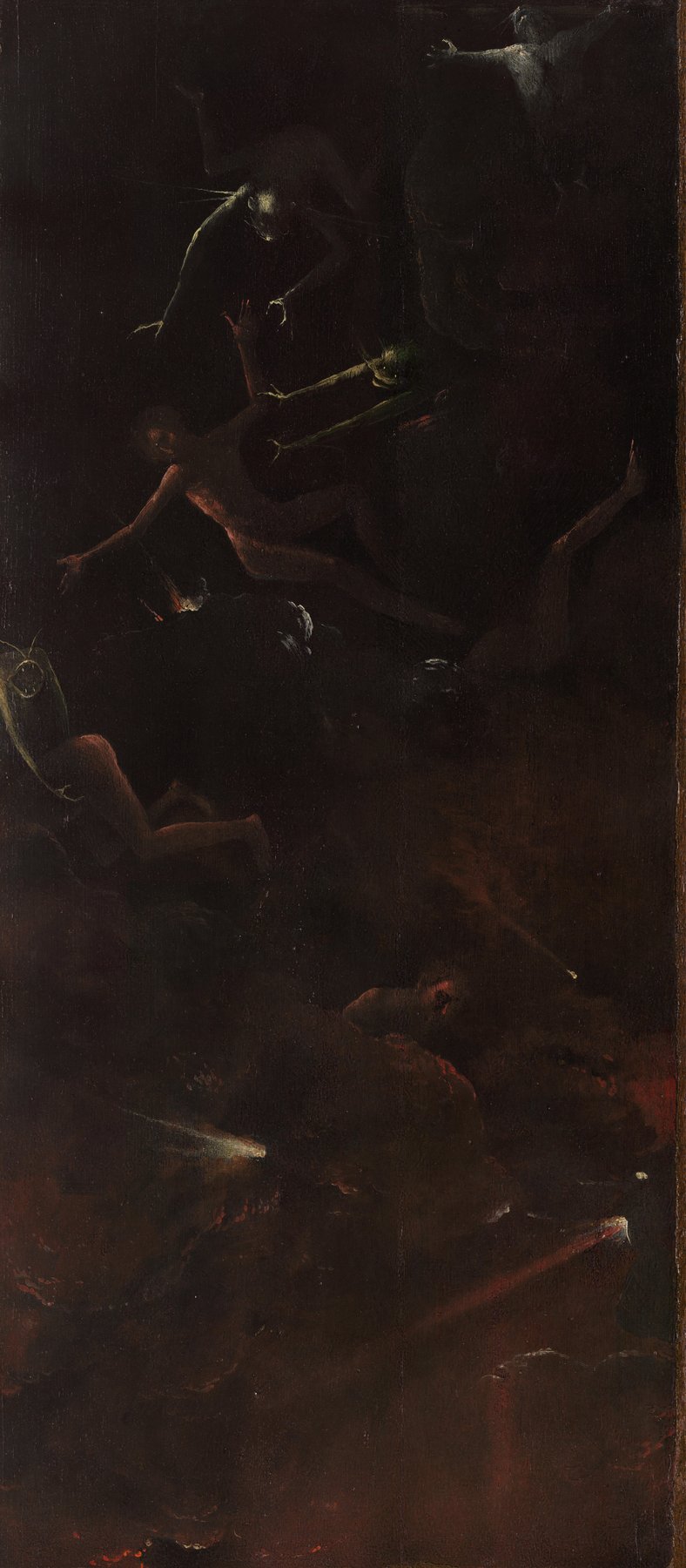
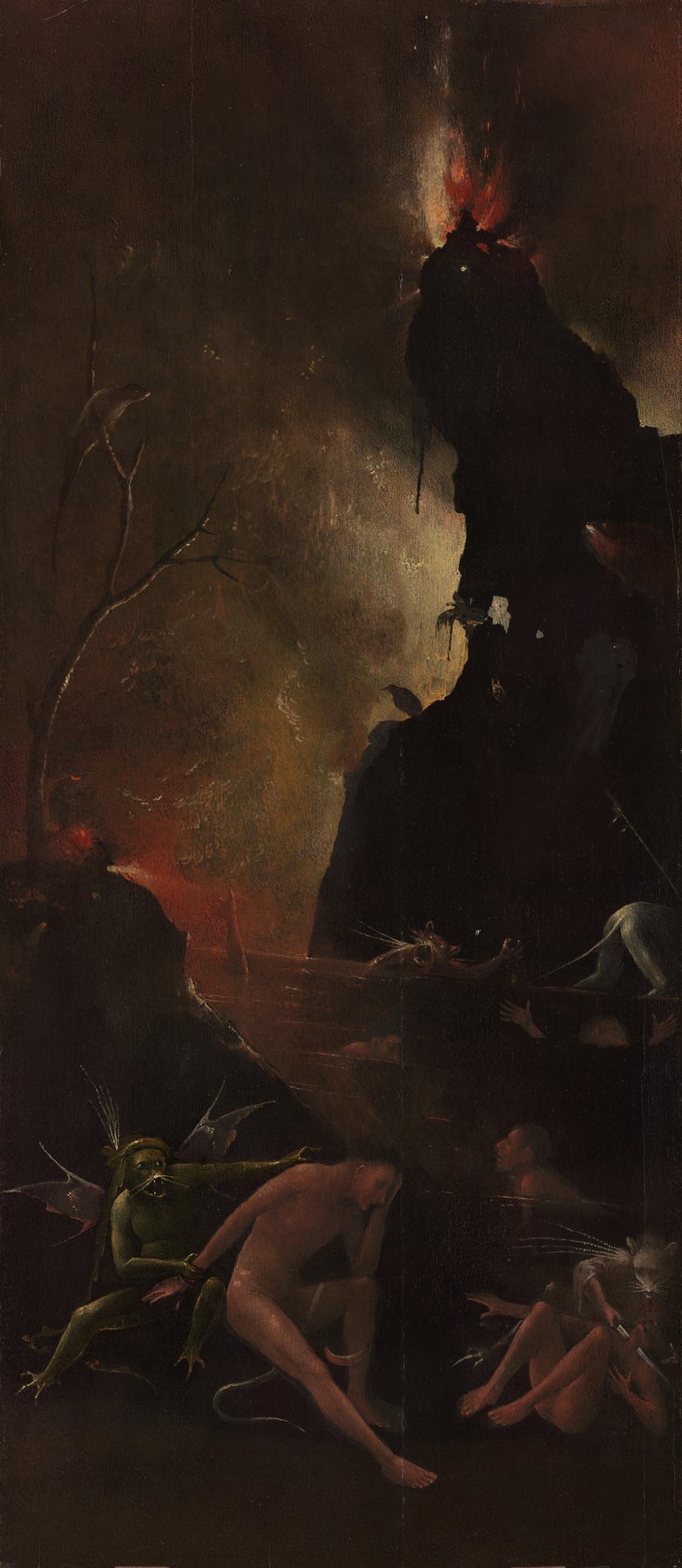
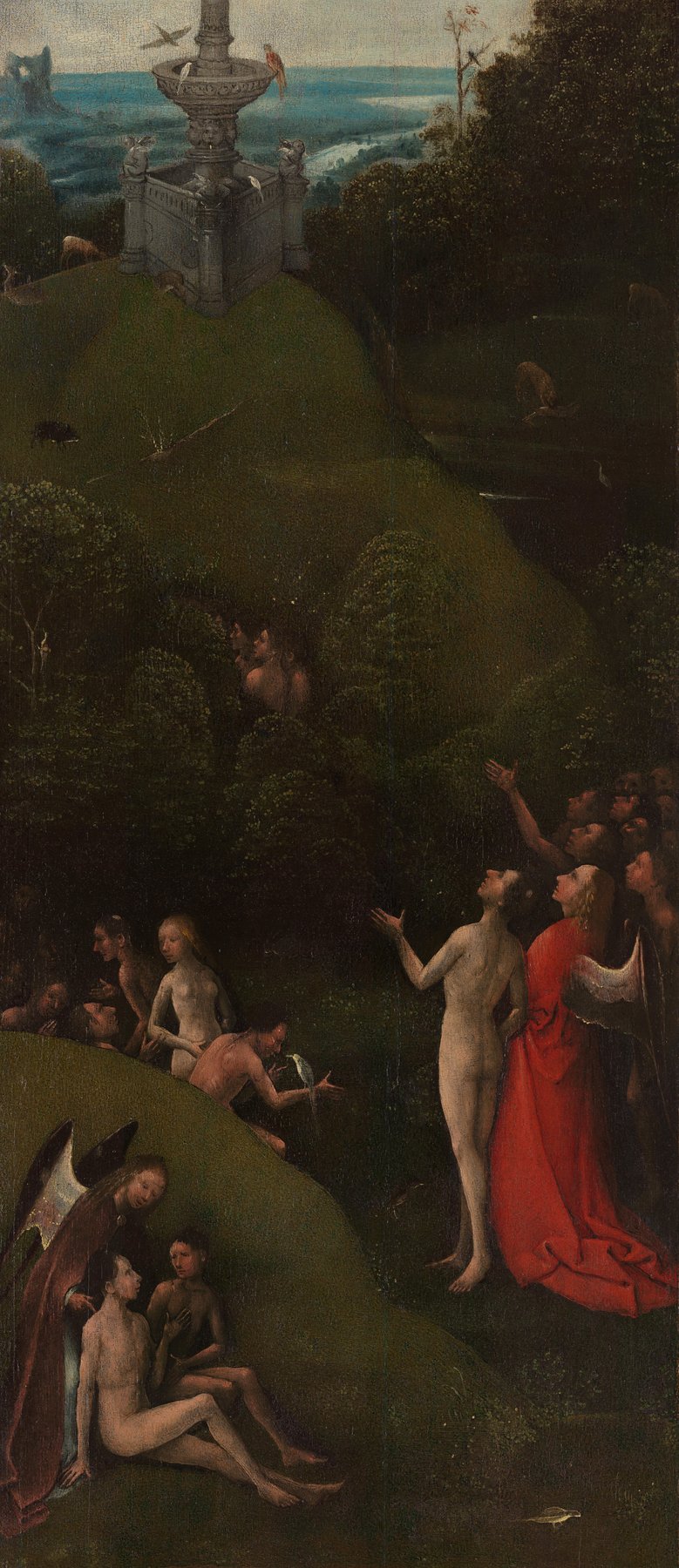
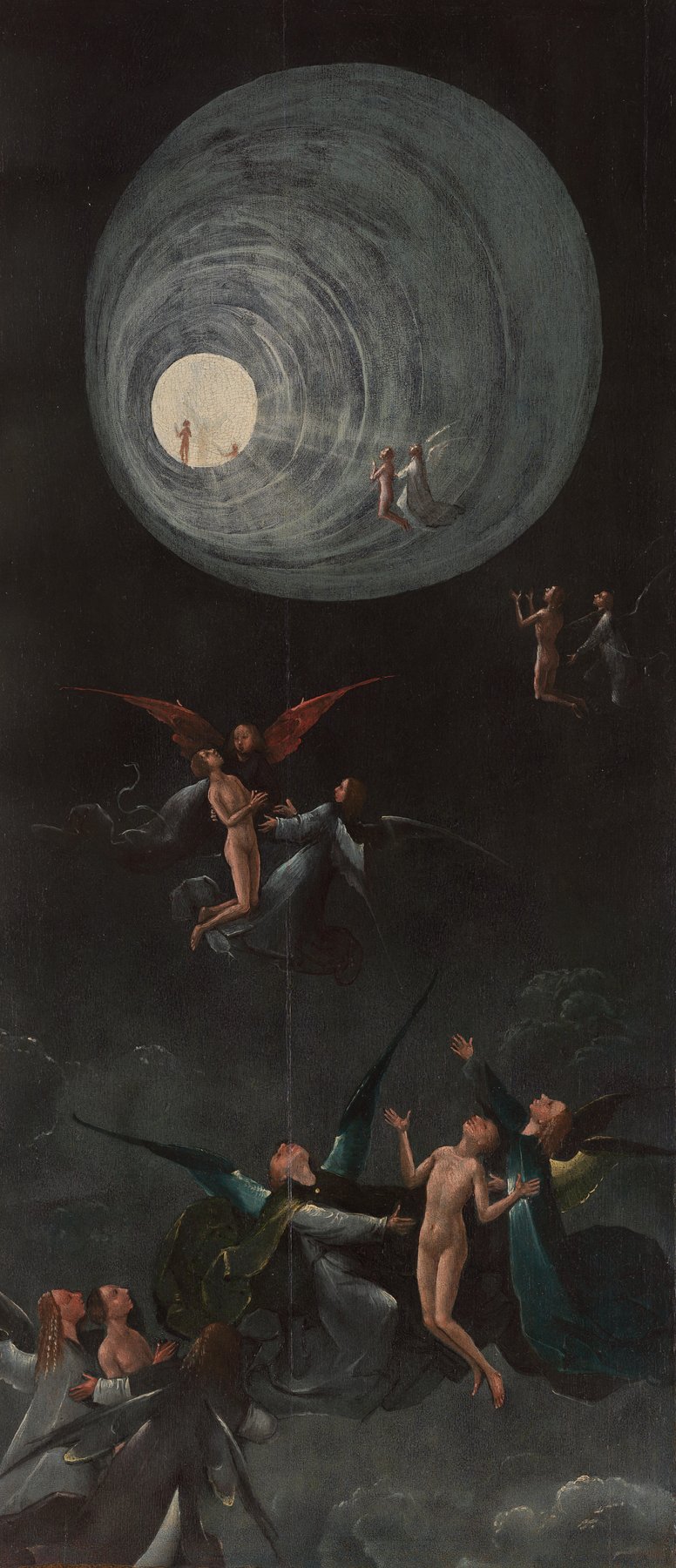
Four tall panels from Cardinal Domenico Grimani's Venetian collection, which stayed in the city under Austrian rule and have hung at the Gallerie dell'Accademia since 2010. The Gallery reads them as four gradations of the hereafter: a lush garden Paradise peopled by the sinless elect, painted naked; a sulphurous marsh of a Hell where monsters torment sinners struggling to stay afloat; and between them two passages, a tunnel of light where angels guide the blessed and a cliff from which the damned are hurled. Most critics take them for wings of a lost Last Judgment.
The four panels are within 2% of one aspect (0.434–0.442), so on any one sheet all four are height-limited and hang level to a fraction of a percent. Order is the plate's and the Gallery's 2011 hang as reported: Fall of the Damned, Hell, then Terrestrial Paradise, Ascent of the Blessed.
Printed on demand as one edition. The whole image is printed on every sheet — never cropped to fit — so each panel carries an archival margin.