The Epiphany of the Lord
6 January · Solemnity · White
In the United States the Epiphany is kept on the Sunday between 2 and 8 January.
The oldest king kneels and lifts the Child's foot to his lips; behind him the procession comes down the hillside from the city, through the ruined arch, and a peacock waits on the stable roof. Epiphany is a Greek word, the manifestation, the appearing. The feast is older in the East than in the West: Clement of Alexandria already knew of Christians who kept the Baptism of Christ on 6 January, and the historian Ammianus Marcellinus gives the first certain mention of the Church's feast in 361. In the West, once 25 December was Christmas, 6 January became above all the feast of the Magi, the Gelasian and Gregorian sacramentaries scarcely looking past them, while the Ambrosian rite kept all three manifestations together: the Magi, the Baptism in the Jordan and the wedding at Cana. The twelve days are counted from the one feast to the other. The kings brought gold, frankincense and myrrh, and the painting brings the whole road with them.
Cyril Martindale, “Epiphany”, The Catholic Encyclopedia, vol. 5 (1909): newadvent.org
The Gospel of the feast
1When Jesus therefore was born in Bethlehem of Juda, in the days of king Herod, behold, there came wise men from the East to Jerusalem, 2Saying: Where is he that is born king of the Jews? For we have seen his star in the East, and are come to adore him. 3And king Herod hearing this, was troubled, and all Jerusalem with him. 4And assembling together all the chief priests and the scribes of the people, he inquired of them where Christ should be born. 5But they said to him: In Bethlehem of Juda. For so it is written by the prophet: 6And thou Bethlehem the land of Juda art not the least among the princes of Juda: for out of thee shall come forth the captain that shall rule my people Israel. 7Then Herod, privately calling the wise men learned diligently of them the time of the star which appeared to them; 8And sending them into Bethlehem, said: Go and diligently inquire after the child, and when you have found him, bring me word again, that I also may come and adore him. 9Who having heard the king, went their way; and behold the star which they had seen in the East, went before them, until it came and stood over where the child was. 10And seeing the star they rejoiced with exceeding great joy. 11And entering into the house, they found the child with Mary his mother, and falling down they adored him: and opening their treasures, they offered him gifts; gold, frankincense, and myrrh. 12And having received an answer in sleep that they should not return to Herod, they went back another way into their country.
Matthew 2:1–12, Douay-Rheims (Challoner)
In painting
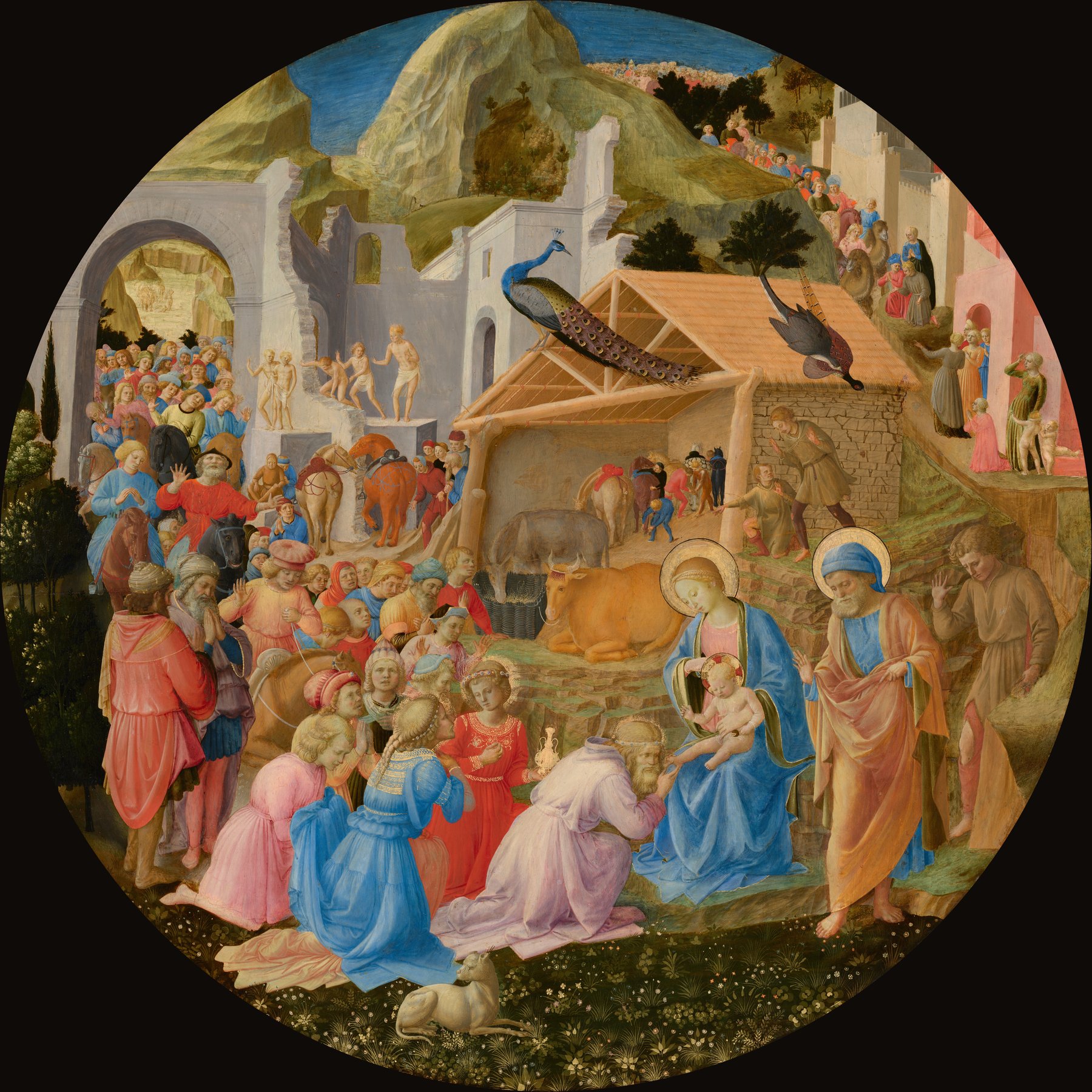
Fra Angelico and Fra Filippo Lippi
c. 1440–1460, National Gallery of Art, Washington
About this painting
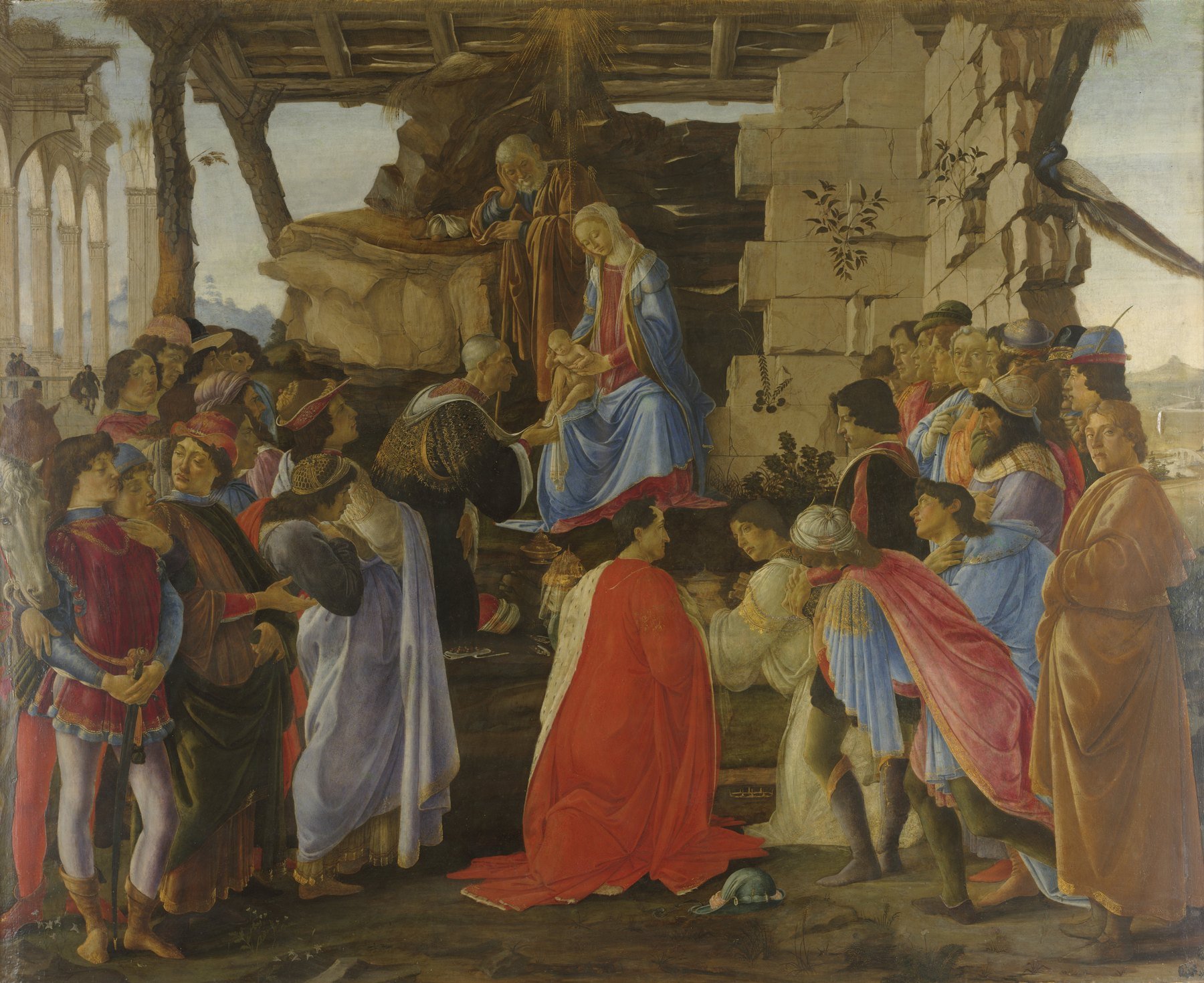
Sandro Botticelli
c. 1475–1476, Gallerie degli Uffizi, Florence
About this painting
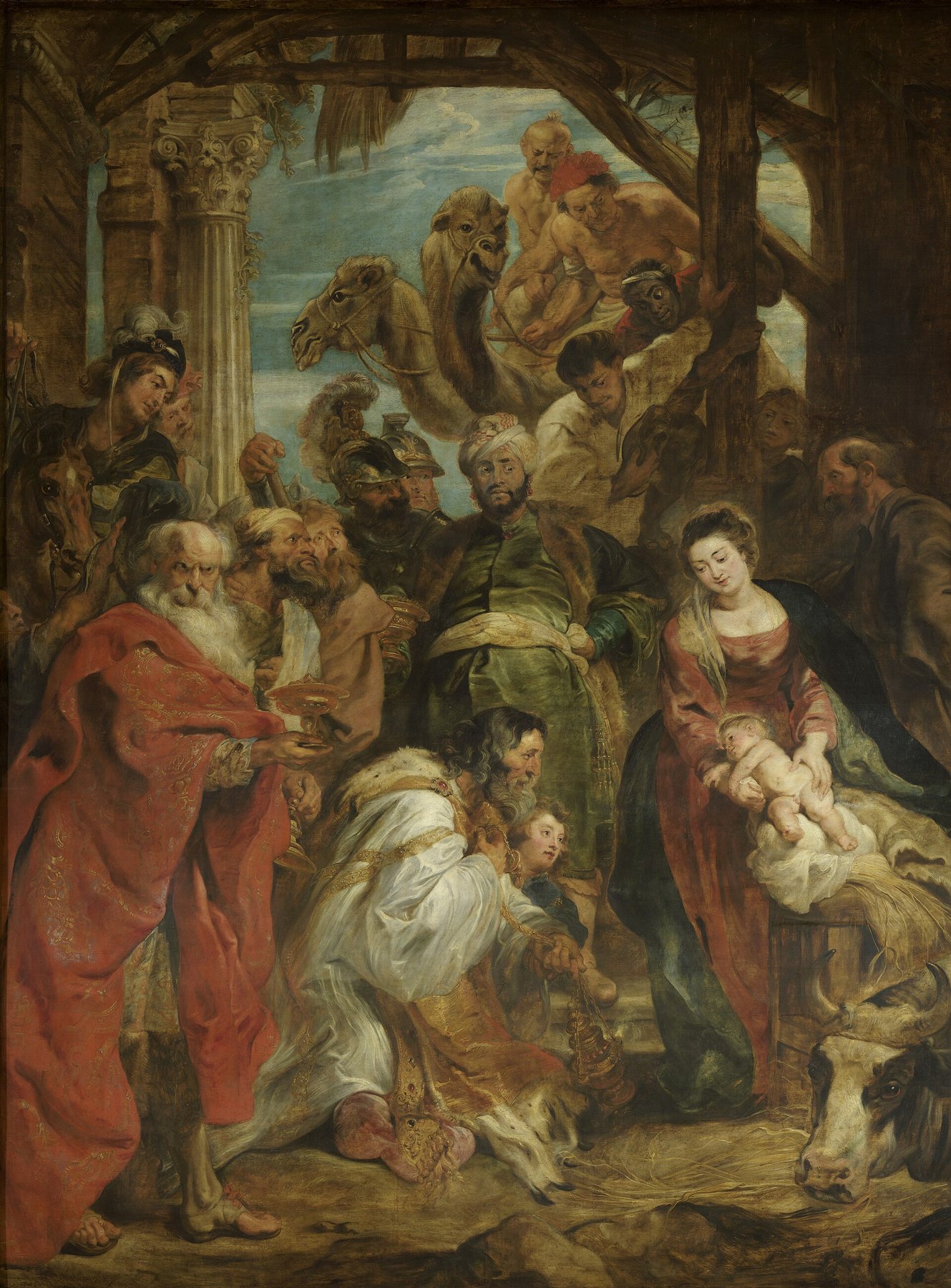
Peter Paul Rubens
1624, KMSKA, Antwerp
About this painting
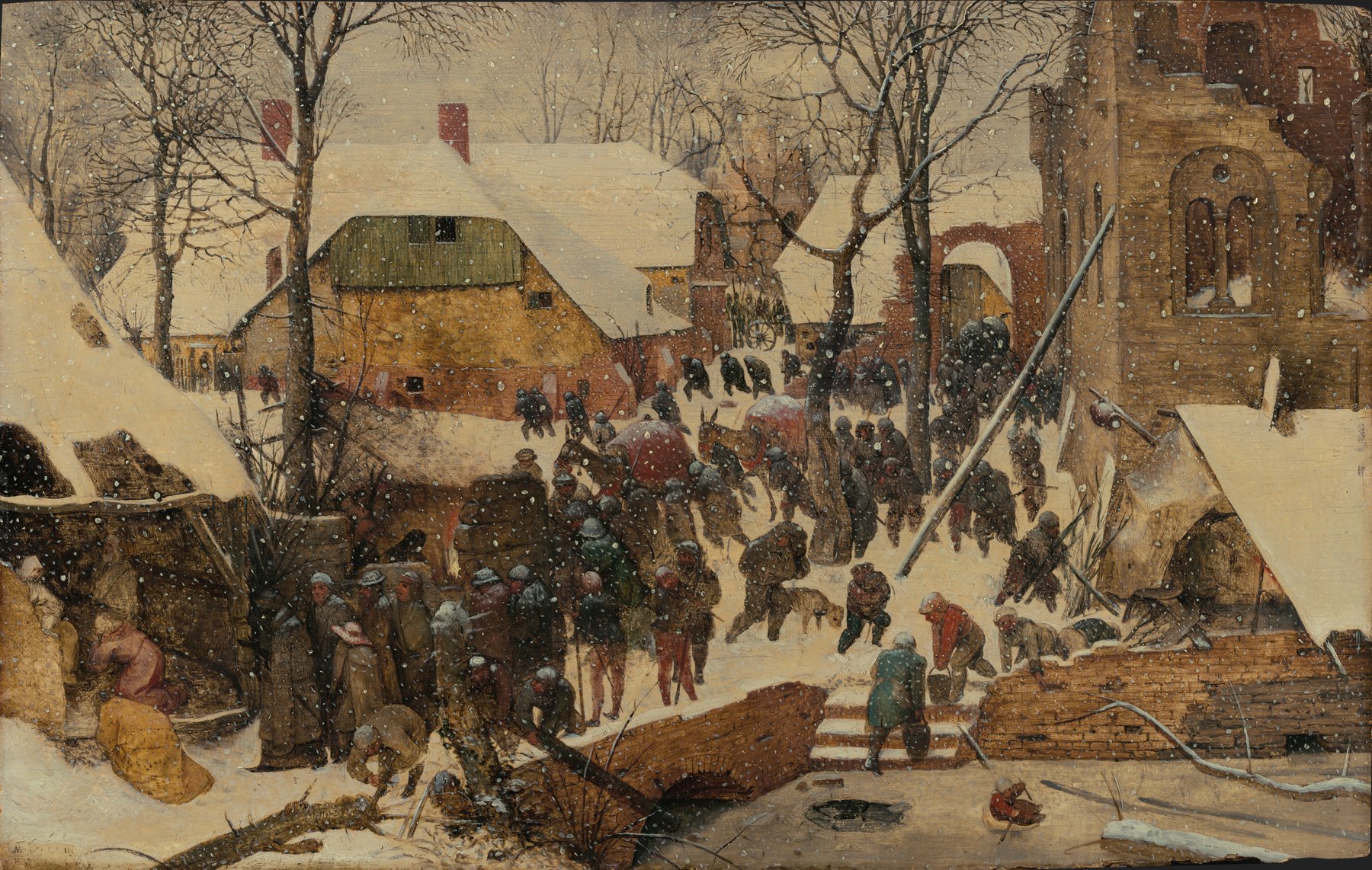
Pieter Bruegel the Elder
1563, Sammlung Oskar Reinhart «Am Römerholz», Winterthur
About this painting
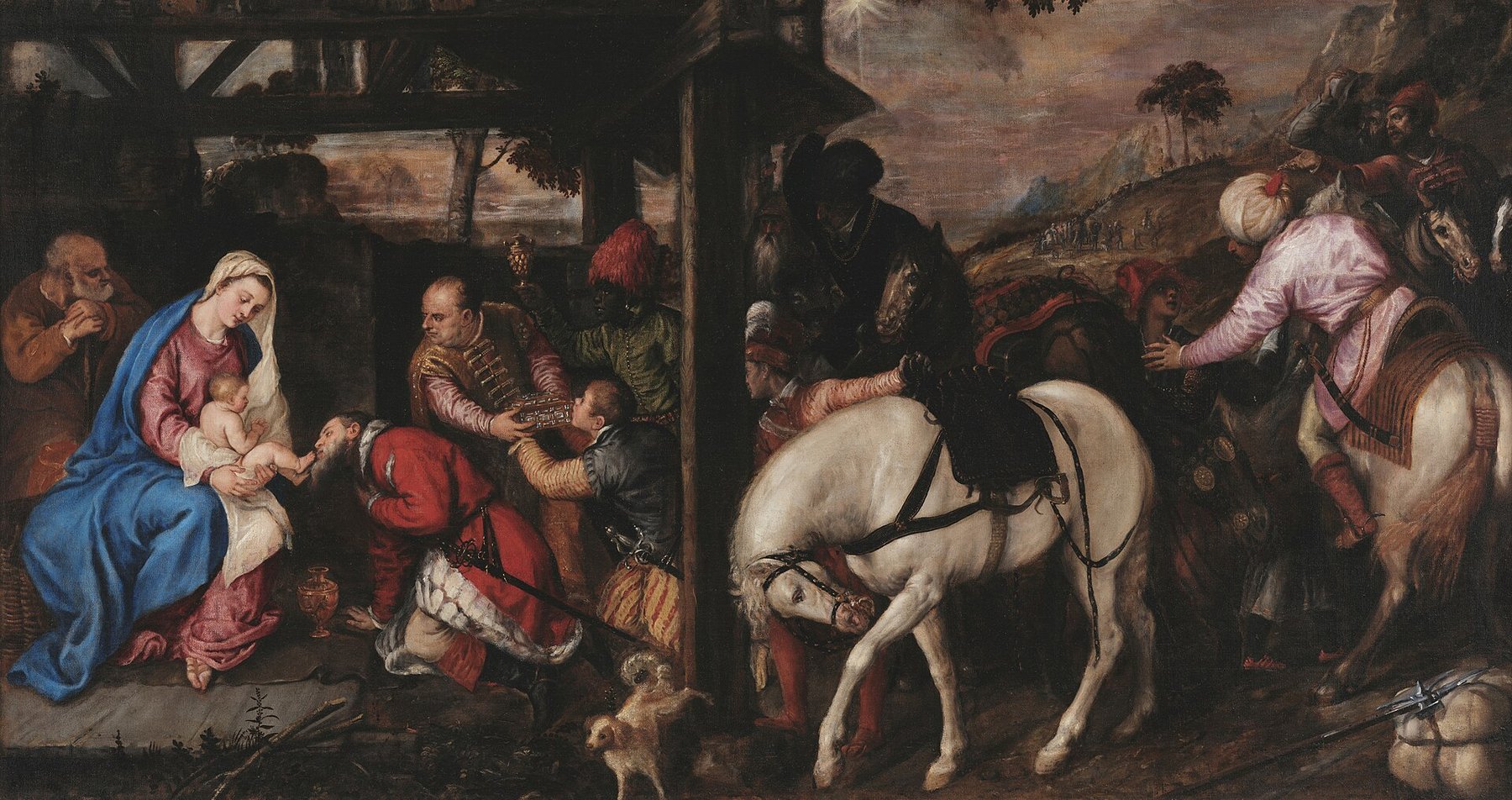
Titian
c. 1560, Pinacoteca Ambrosiana, Milan
About this painting
The feasts of the year · The Rosary
Today's masterwork, each morning
One sacred painting a day, chosen by the liturgical calendar and captioned only from the museum's record: the feast, the colour of the day, and the Scripture the scene depicts.
One confirmation email first; nothing is sent until you click it. Every email has a one-click unsubscribe, and you can switch to Sundays and feasts only at any time.