

Grace After Meals
A traditional Catholic prayer
We give Thee thanks, almighty God, for all Thy benefits, who livest and reignest world without end. Amen.
V. May the souls of the faithful departed, through the mercy of God, rest in peace.
R. Amen.
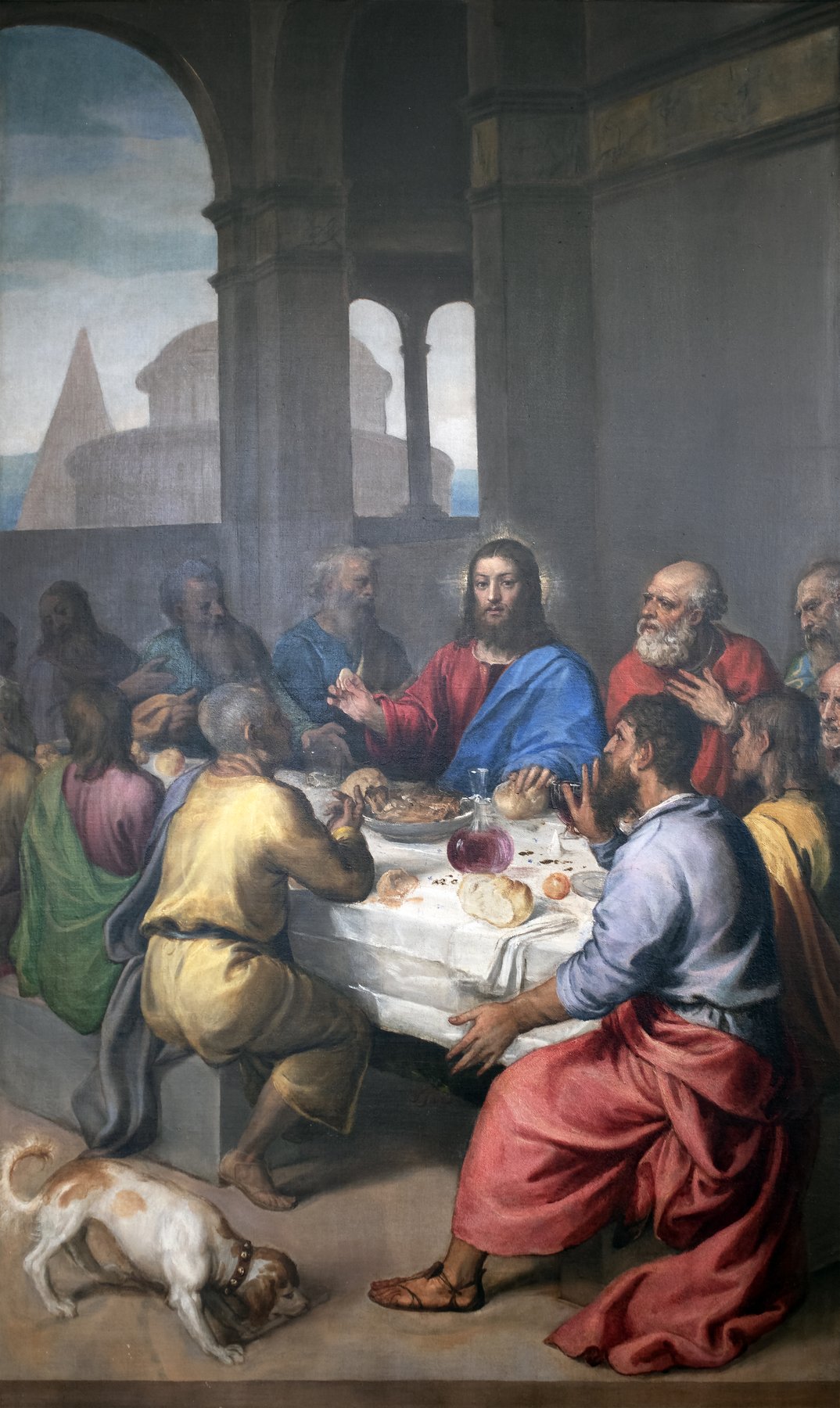
Titian
1542–1544, Galleria Nazionale delle Marche, Urbino
About this painting
In Latin
Agimus tibi gratias, omnipotens Deus, pro universis beneficiis tuis, qui vivis et regnas in saecula saeculorum. Amen.
V. Fidelium animae per misericordiam Dei requiescant in pace.
R. Amen.
Where it comes from
Titian's table has been eaten from: loaves and broken bread lie on the white cloth among the crumbs, the glass carafe still holds its red wine, and a white dog with a studded collar noses along the floor for what has fallen. Christ sits in the middle with a piece of bread in His lifted hand, and an old apostle in red at His left lays a hand on his breast. Saint Matthew says, below, that after this supper, a hymn being said, they went out; and Moses had told Israel long before that when they had eaten and were full they should bless the Lord, so that the thanks come after the bread. The grace after meals that the catechisms give to children and the laity is, in substance, a translation of the thanksgiving in the longer Latin grace, which the Roman Breviary provides under the heading Benedictio Mensae. About AD 123 the apologist Aristides wrote of his fellow Christians that “over their food and over their drink they render God thanks”, and Tertullian that “prayer puts an end to the feast”, so that the meal is closed as it was opened. In the religious orders the custom of grace was much insisted upon, and the Rule of Saint Benedict gives it a section of its own. In the Ancren Riwle, about 1200, the grace is said standing and includes the Miserere, and the souls of the faithful are also prayed for in the thanksgiving after meat. We rise from a full table and remember, before we go out, those who sit at it no longer.
Herbert Thurston, “Thanksgiving before and after Meals”, The Catholic Encyclopedia, vol. 14 (1912): newadvent.org
10That when thou hast eaten, and art full, thou mayst bless the Lord thy God for the excellent land which he hath given thee.
30And a hymn being said, they went out unto mount Olivet.
Deuteronomy 8:10 · Matthew 26:30, Douay-Rheims (Challoner)
More in painting
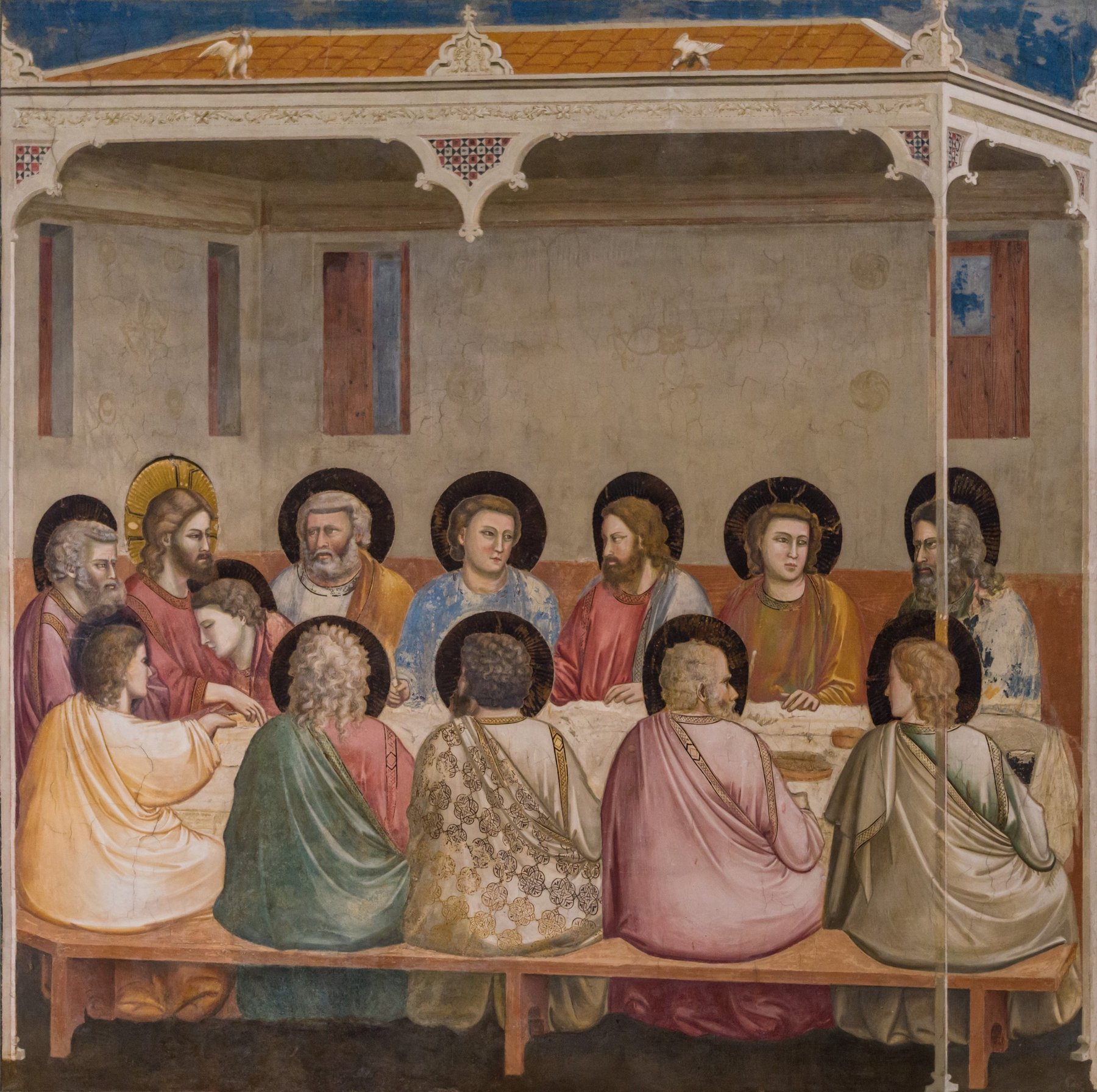
Giotto
c. 1305, Cappella degli Scrovegni, Musei Civici di Padova
Photograph: Jörgens.mi, CC BY-SA 3.0 DE, cropped
About this painting
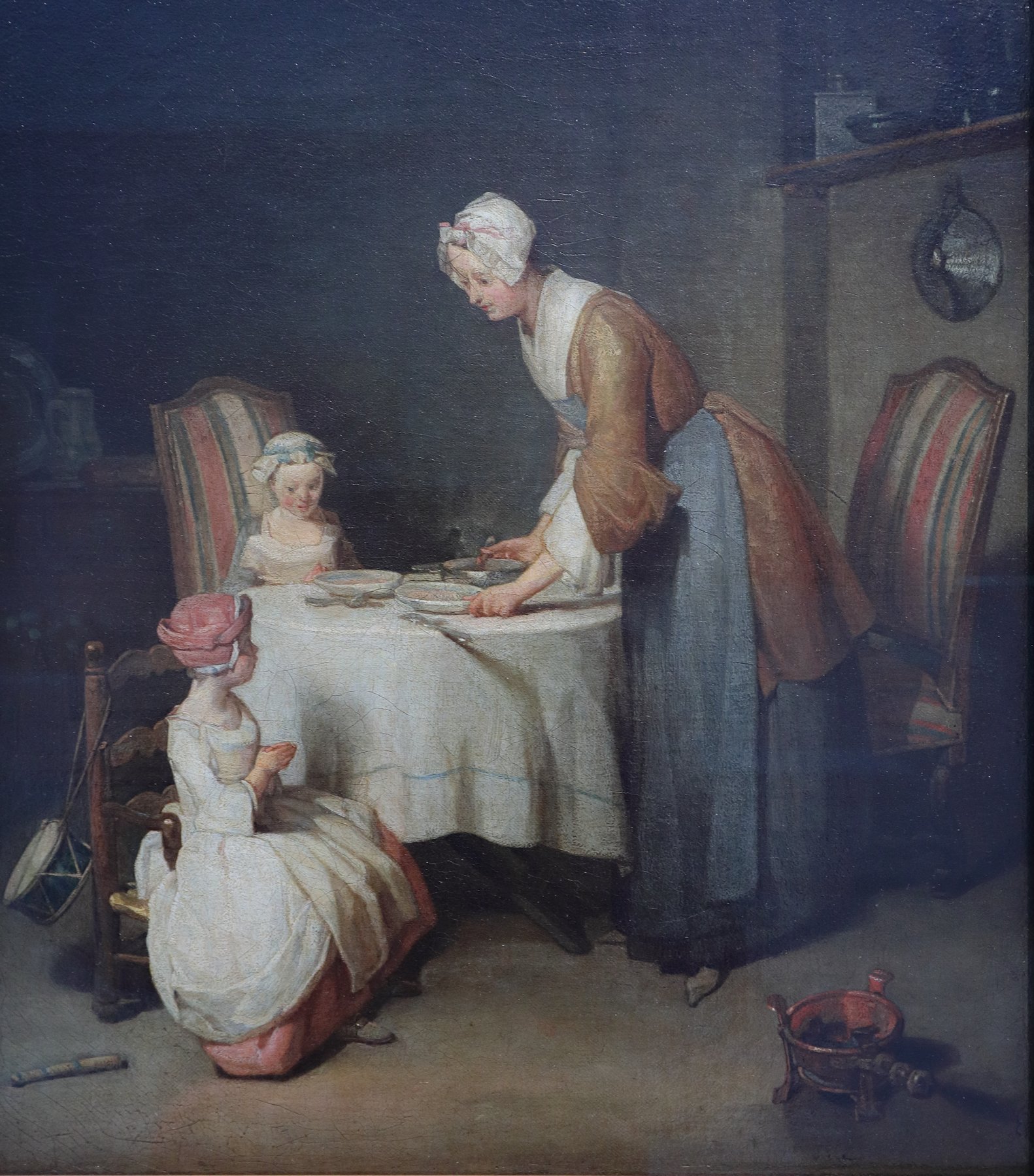
Jean-Baptiste-Siméon Chardin
1725–1750, Musée du Louvre, Paris
About this painting
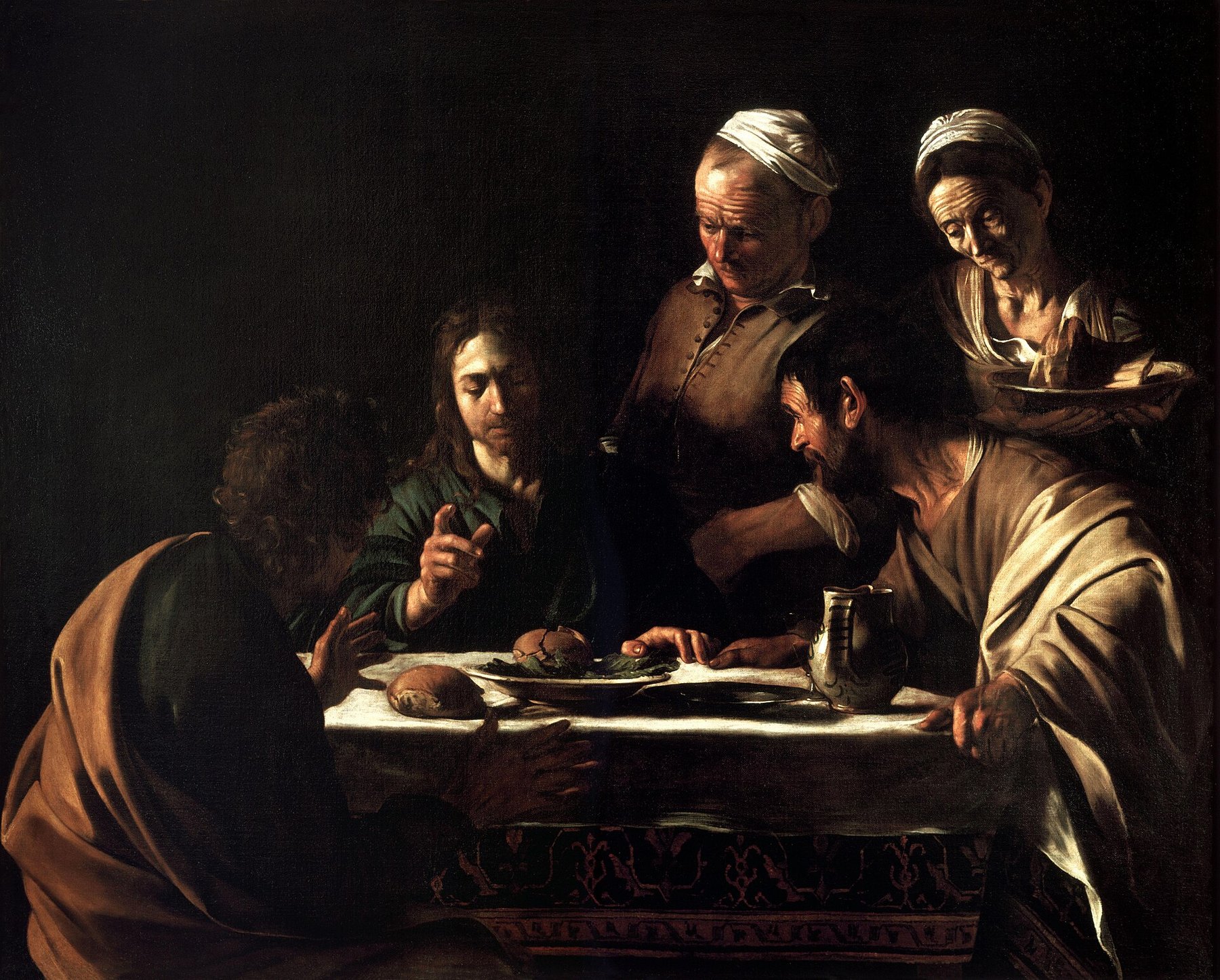
Caravaggio
1606, Pinacoteca di Brera, Milan
About this painting
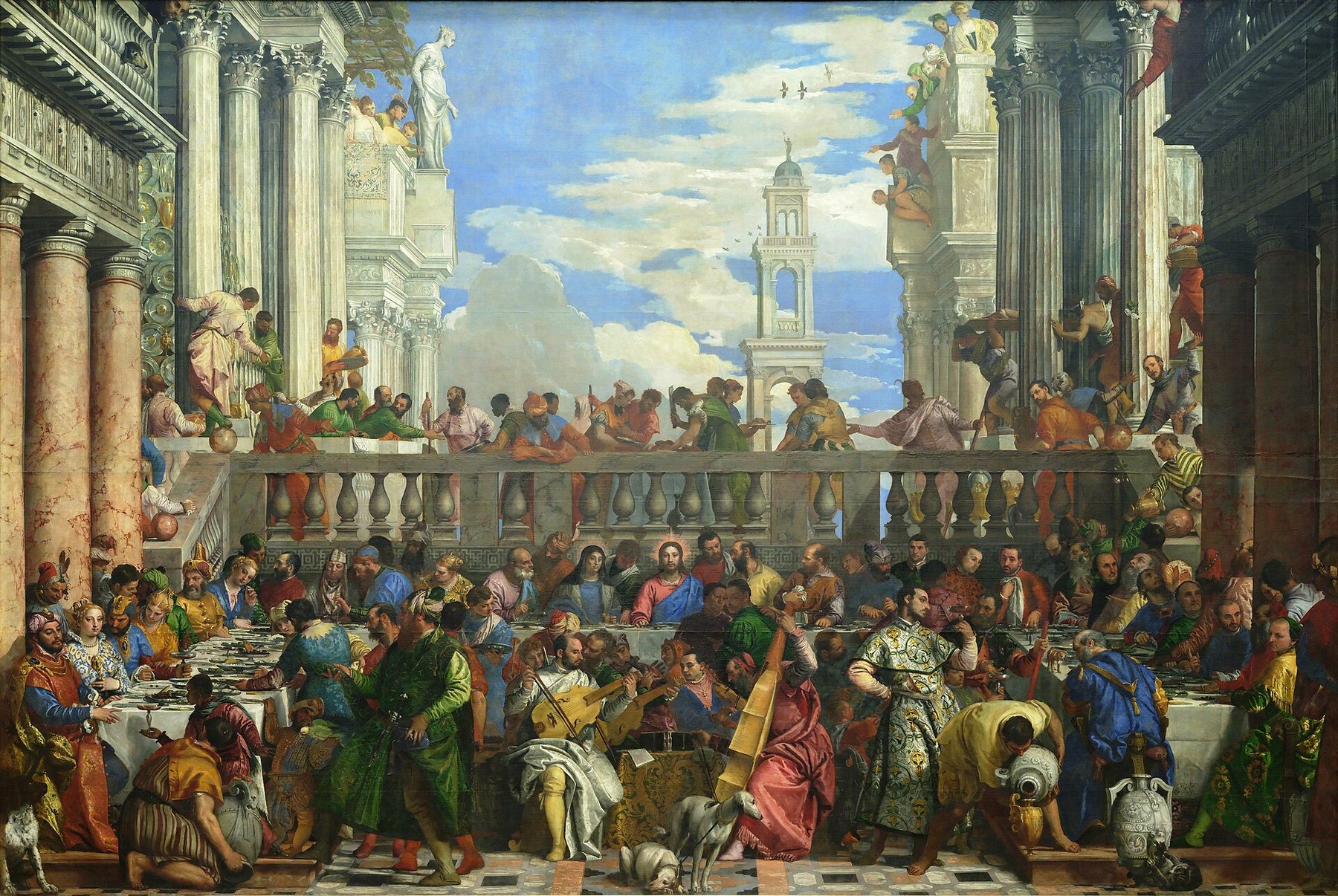
Paolo Veronese
1563, Musée du Louvre, Paris
About this painting
The traditional prayers · The Rosary
Today's masterwork, each morning
One sacred painting a day, chosen by the liturgical calendar and captioned only from the museum's record: the feast, the colour of the day, and the Scripture the scene depicts.
One confirmation email first; nothing is sent until you click it. Every email has a one-click unsubscribe, and you can switch to Sundays and feasts only at any time.