The Nicene Creed
A traditional Catholic prayer
I believe in one God, the Father almighty, Maker of heaven and earth, and of all things visible and invisible. And in one Lord Jesus Christ, the only-begotten Son of God, born of the Father before all ages; God of God, Light of Light, true God of true God; begotten, not made; consubstantial with the Father, by whom all things were made. Who for us men, and for our salvation, came down from heaven, and was incarnate by the Holy Spirit of the Virgin Mary, and was made man. He was crucified also for us, suffered under Pontius Pilate, and was buried. The third day He rose again according to the Scriptures, and ascended into heaven, and sitteth at the right hand of the Father; and He shall come again with glory to judge both the living and the dead, of whose kingdom there shall be no end. And I believe in the Holy Spirit, the Lord and life-giver, who proceedeth from the Father and the Son; who together with the Father and the Son is adored and glorified; who spake by the prophets. And one holy Catholic and Apostolic Church. I confess one baptism for the remission of sins. And I look for the resurrection of the dead, and the life of the world to come. Amen.
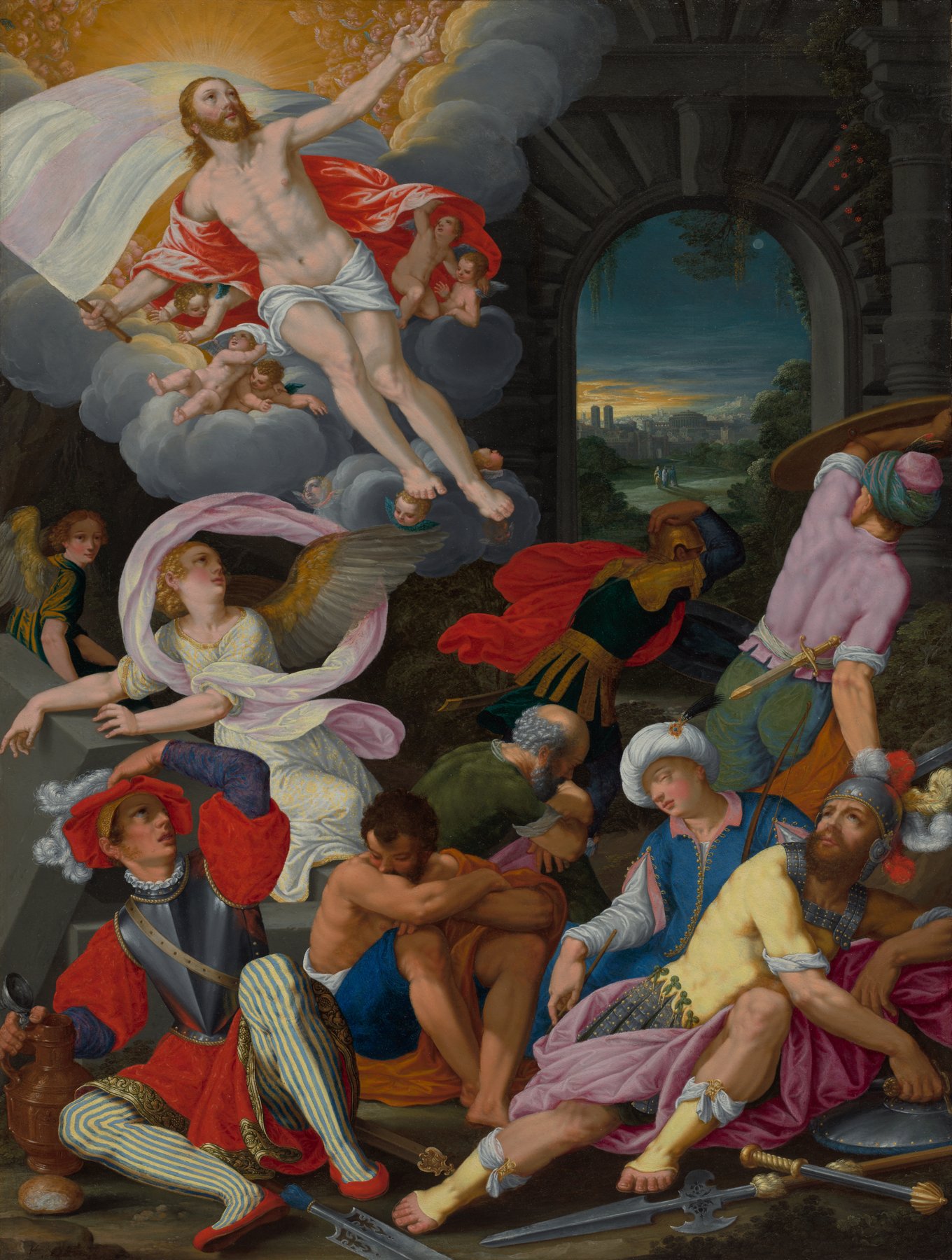
Johann König
1622, Cleveland Museum of Art
About this painting
In Latin
Credo in unum Deum, Patrem omnipotentem, factorem caeli et terrae, visibilium omnium et invisibilium. Et in unum Dominum Iesum Christum, Filium Dei unigenitum, et ex Patre natum ante omnia saecula. Deum de Deo, lumen de lumine, Deum verum de Deo vero, genitum, non factum, consubstantialem Patri: per quem omnia facta sunt. Qui propter nos homines et propter nostram salutem descendit de caelis. Et incarnatus est de Spiritu Sancto ex Maria Virgine: et homo factus est. Crucifixus etiam pro nobis: sub Pontio Pilato passus, et sepultus est. Et resurrexit tertia die, secundum Scripturas. Et ascendit in caelum: sedet ad dexteram Patris. Et iterum venturus est cum gloria iudicare vivos et mortuos: cuius regni non erit finis. Et in Spiritum Sanctum, Dominum et vivificantem: qui ex Patre Filioque procedit. Qui cum Patre et Filio simul adoratur et conglorificatur: qui locutus est per Prophetas. Et unam, sanctam, catholicam et apostolicam Ecclesiam. Confiteor unum baptisma in remissionem peccatorum. Et exspecto resurrectionem mortuorum. Et vitam venturi saeculi. Amen.
Where it comes from
Christ goes up out of the tomb barefoot, a white banner in one hand and the other thrown up into a sun crowded with small angels, while the soldiers below sleep, cover their faces or raise a shield. The Creed reaches this moment at its turning, suffered and was buried, and the third day He rose again, and swings on it as a door on one hinge. Soon after the Council of Nicaea new formulas of faith were composed, most of them variations of the Nicene Symbol. The creed now in use, the Nicene-Constantinopolitan form, is usually ascribed to the Council of Constantinople (381), and the Council of Chalcedon had it read twice and inserted in its Acts. The Western liturgical form differs from the Greek in a few words, chief among them “and the Son”. The soldiers are still asleep, and the Creed has already gone on to the right hand of the Father while we are still saying the words.
Joseph Wilhelm, “The Nicene Creed”, The Catholic Encyclopedia, vol. 11 (1911): newadvent.org
3For I delivered unto you first of all, which I also received: how that Christ died for our sins, according to the scriptures: 4And that he was buried: and that he rose again on the third day according to the scriptures:
1 Corinthians 15:3–4, Douay-Rheims (Challoner)
More in painting
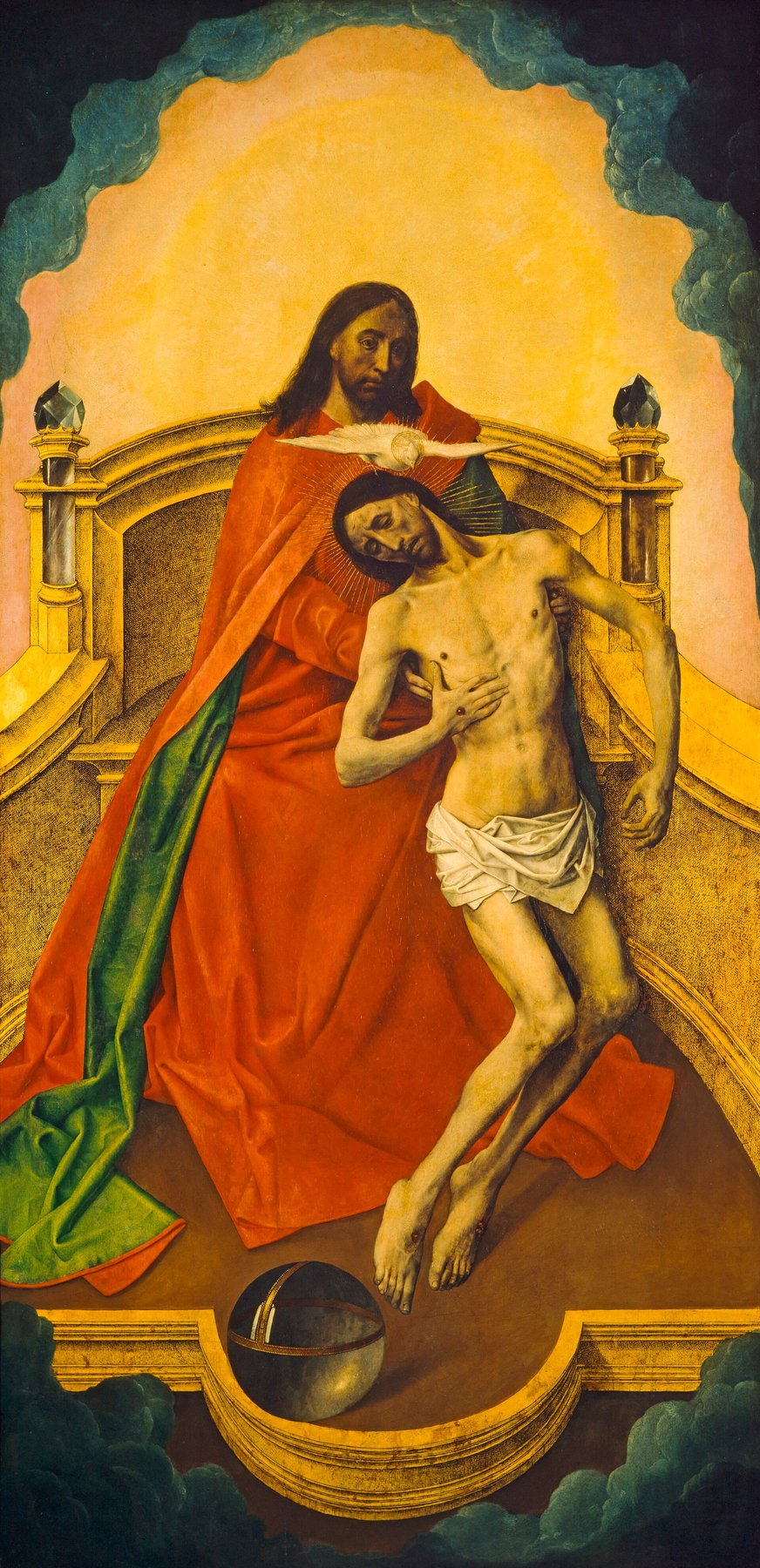
Hugo van der Goes
c. 1478–1479, National Galleries of Scotland, Edinburgh
About this painting
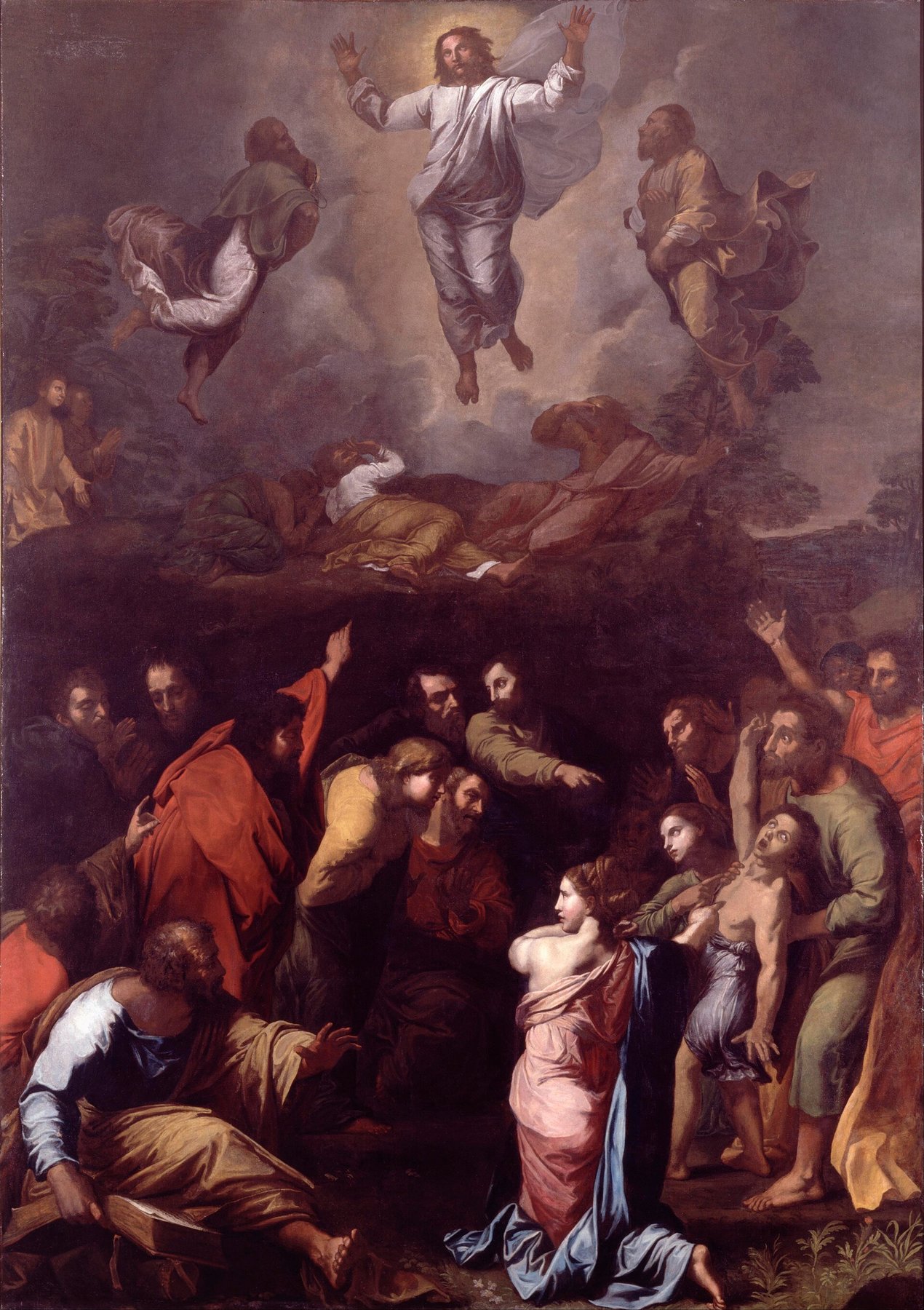
Raphael
1516–1520, Vatican Museums, Pinacoteca
About this painting
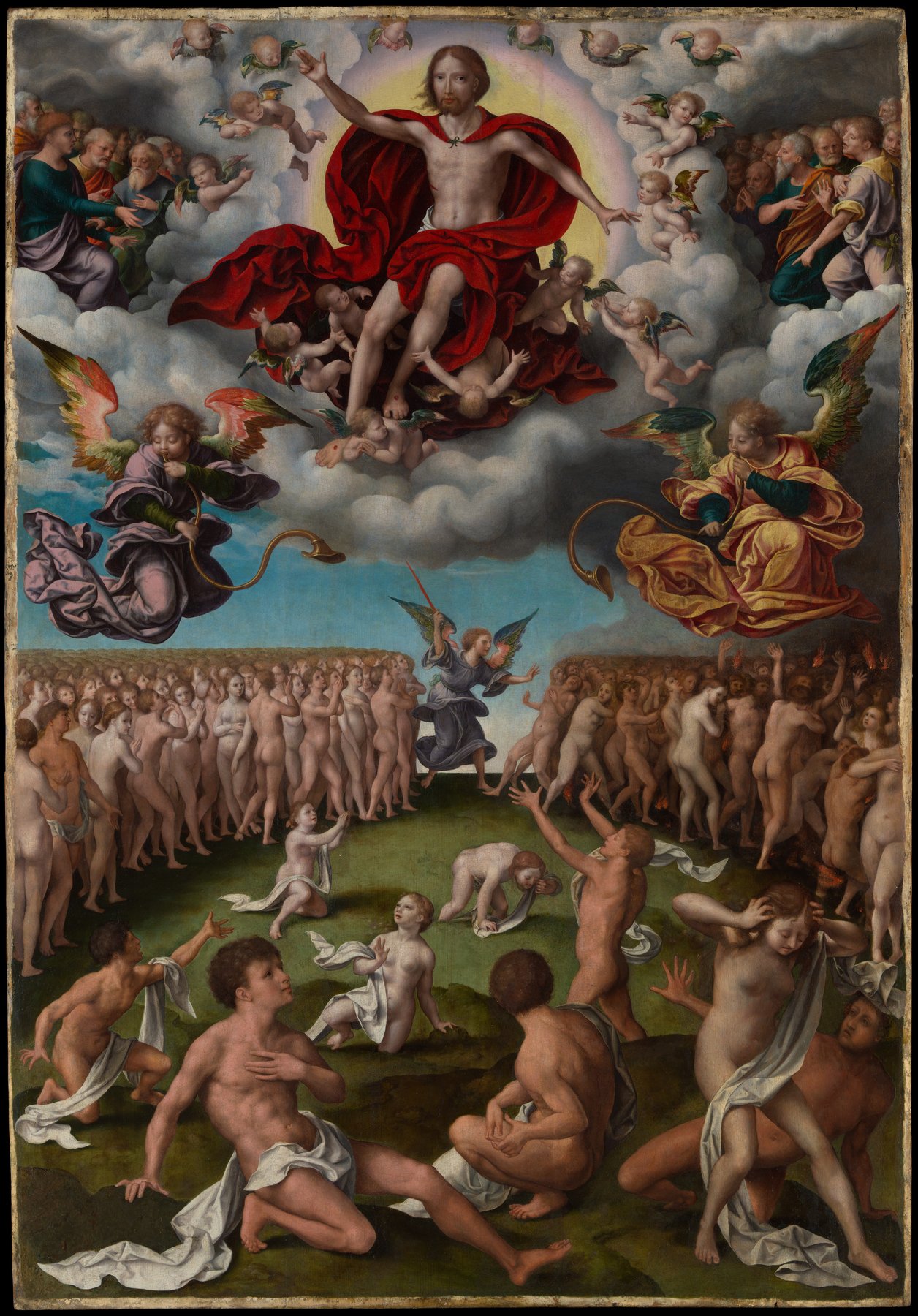
Joos van Cleve
ca. 1525–30, The Metropolitan Museum of Art, New York
About this painting
The traditional prayers · The Rosary
Today's masterwork, each morning
One sacred painting a day, chosen by the liturgical calendar and captioned only from the museum's record: the feast, the colour of the day, and the Scripture the scene depicts.
One confirmation email first; nothing is sent until you click it. Every email has a one-click unsubscribe, and you can switch to Sundays and feasts only at any time.